Dear Ramona, ….
The heart was stabbed when you left but there was no blood.
The distance between us
seems like a memory that I once forgot.
But I will never forget now.
You were 16, sitting on the steps of your house and your crush left this realm. We sat in bed and you told me the stories while laughing as if it was the most normal experience a human can observe.
You are 67 now, and we celebrate with flowers that you hated. It wasn’t about beauty but about economy. The value of a rose equates to the cost of milk that I once needed. 1L is now valued at 1.29 and red costs 1.48 = 0.19 difference for it to sit on a grave that is 4,142 km away.
The body does not know distance; it can only imagine it.
The eyelids fall to the ground and see a land, far far away that is filled with apple trees, goats and bees. The sand in a white paper bag lights up the streets to commemorate the virgin, Mary. I open my mouth and eat the dirt for nourishment. Your hand gently wraps on my face as your fingerprints leave a mark. The sweeping of movement sets off an electric shock into my body. It knows that memory will fade again but the dirt will remain.
In memory of Ramona Chahazian Salameh
10 AUG 1959 – 22 May 2025 | Tripoli – Achrafieh - Faraya, Lebanon
Death has always been part of my everyday. Growing up in Lebanon, war, explosions, and loss were part of the fabric of life. Migration became an attempt to put death at a distance and separating myself from cycles of loss.
The reality was that distance does not erase grief, it only complicates it. The proposal was an open letter to my mother who I had to forcibly grieve at a distance. As her one year death anniversary was approaching, I wrote the letter after receiving news that my ticket back home was canceled due to the Israeli aggressions. Not only did I miss her death, I will also not be able to participate in her one-year death ritual.
I address the unresolved experience of being physically removed from traditional ways of mourning that are ancestral. The dissonance between the heart and the body are put at a proximity where rituals of death, memory, and care cannot be performed or shared. The urgency of this letter ties to the current political and social climate of Lebanon through my own personal storytelling. Delayed grief is a shared experience to most migrants who had lost someone at distance, especially when that loss is punctuated by political instability. In short, the letter is an attempt to reconnect with death through distance.
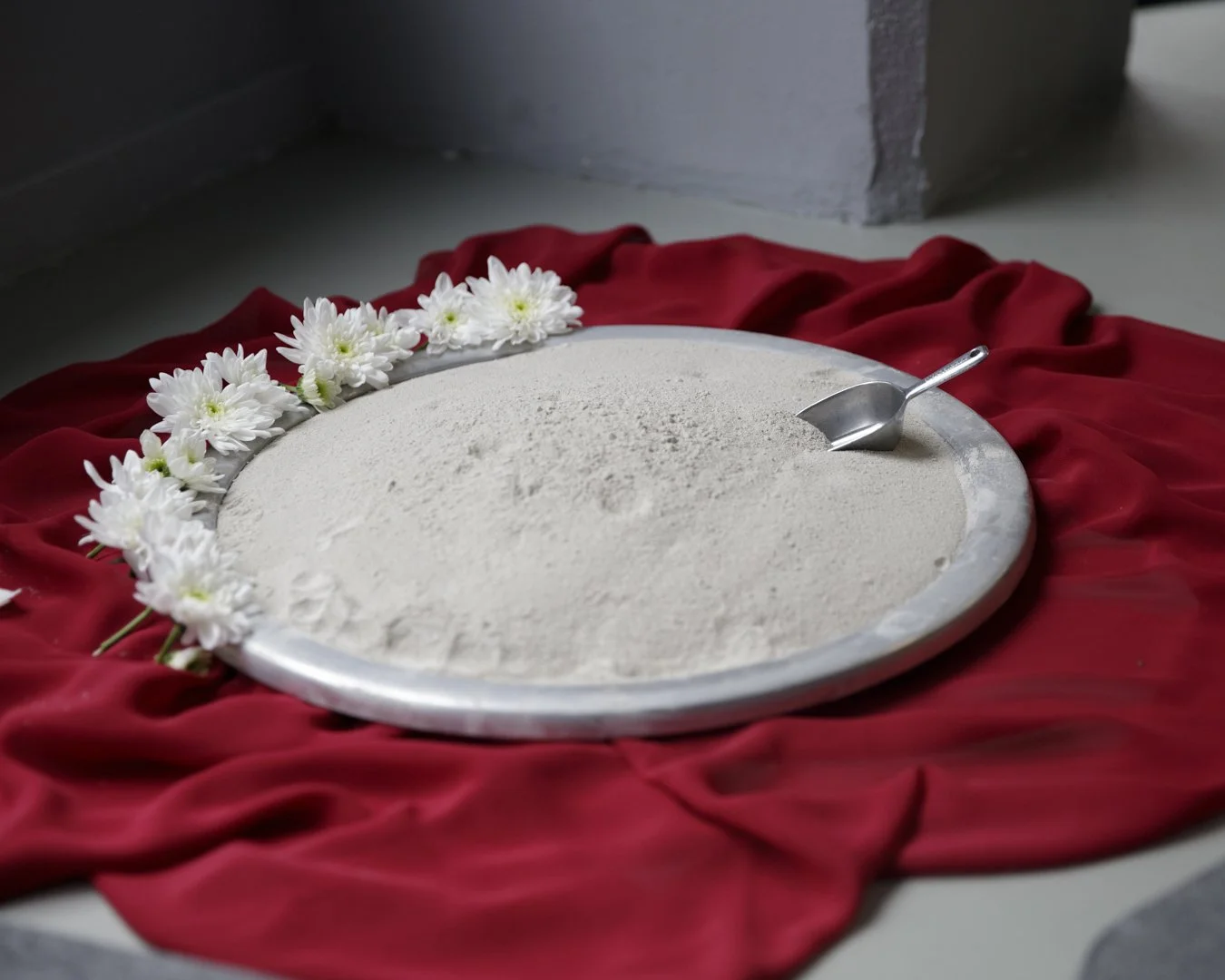
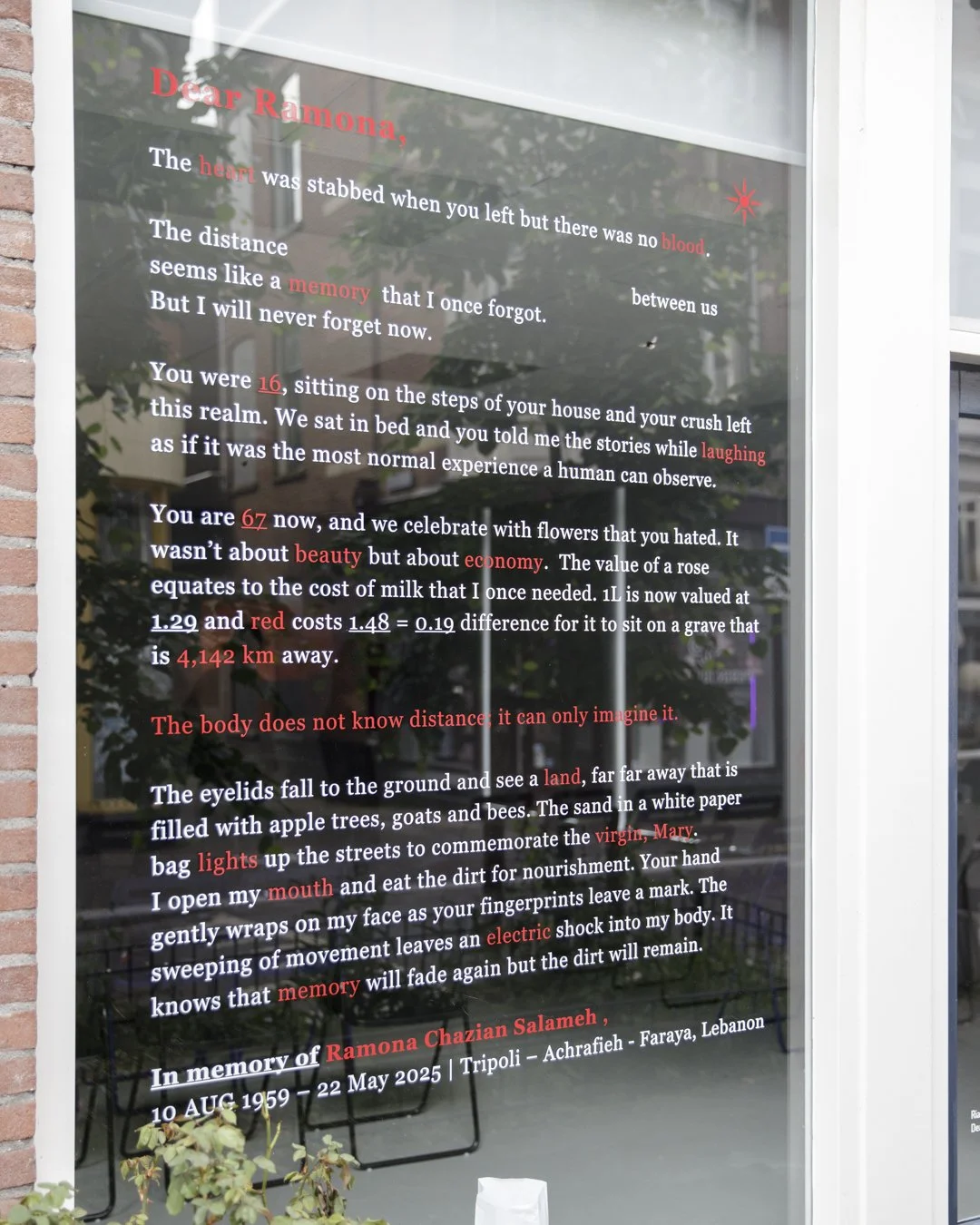
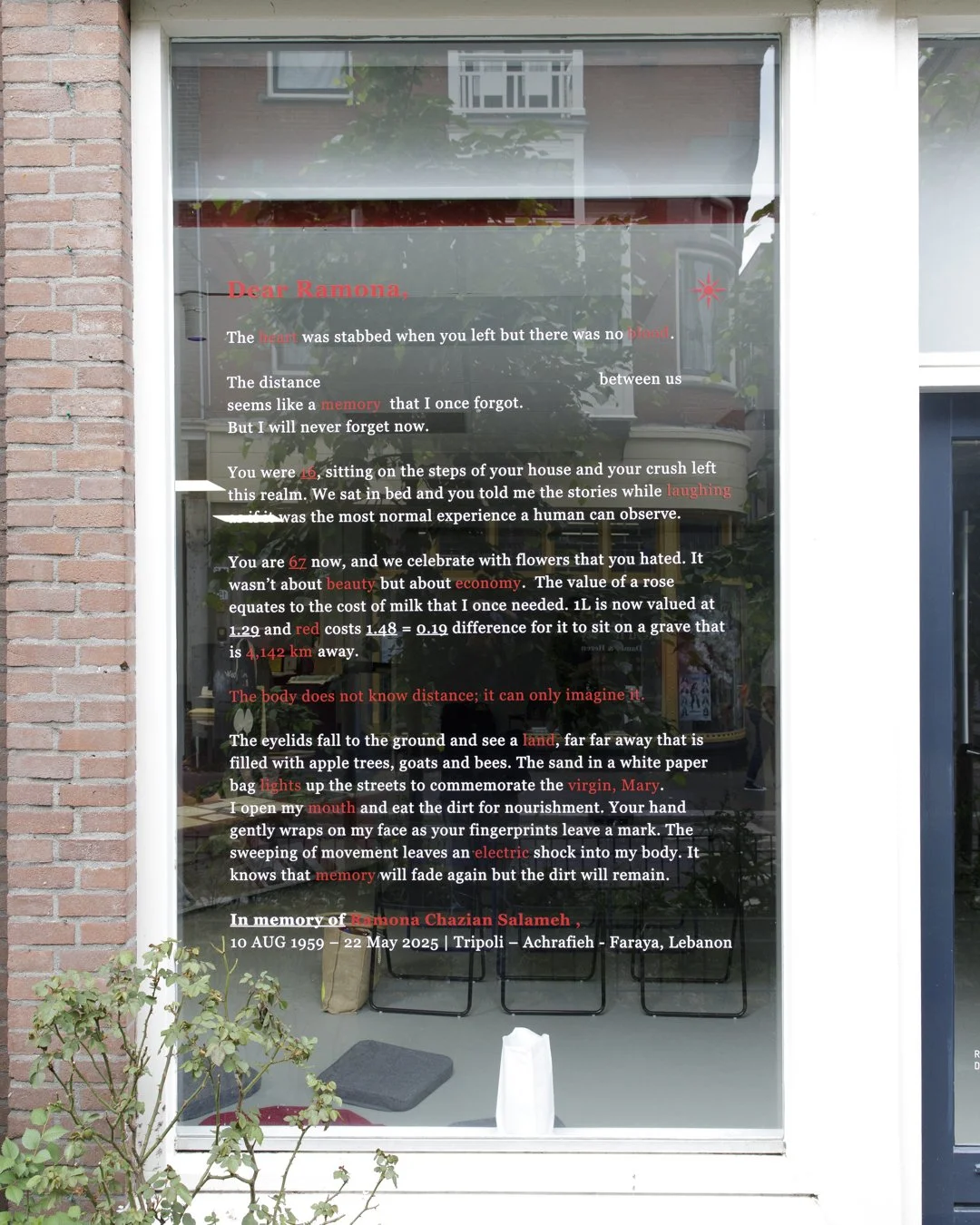
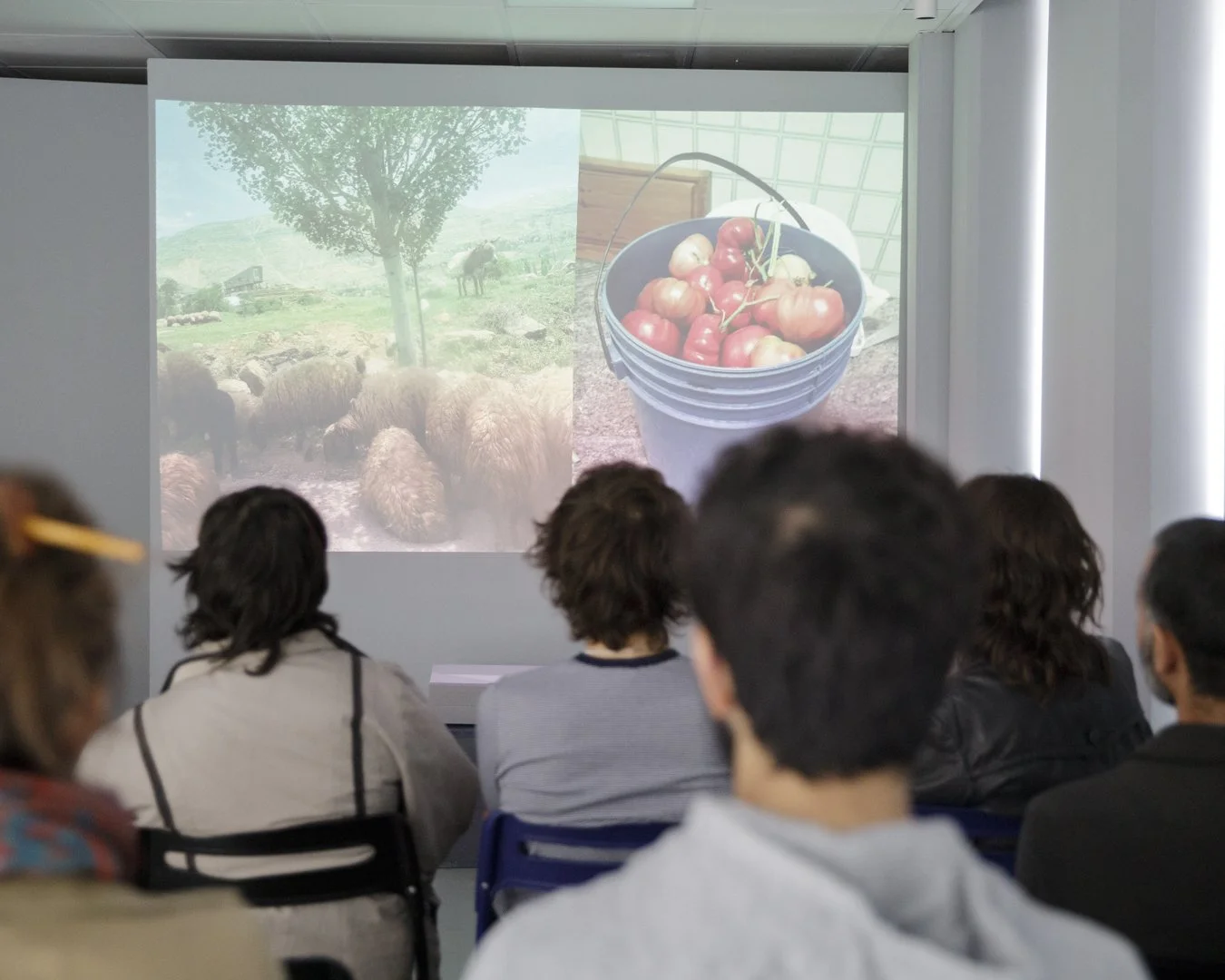
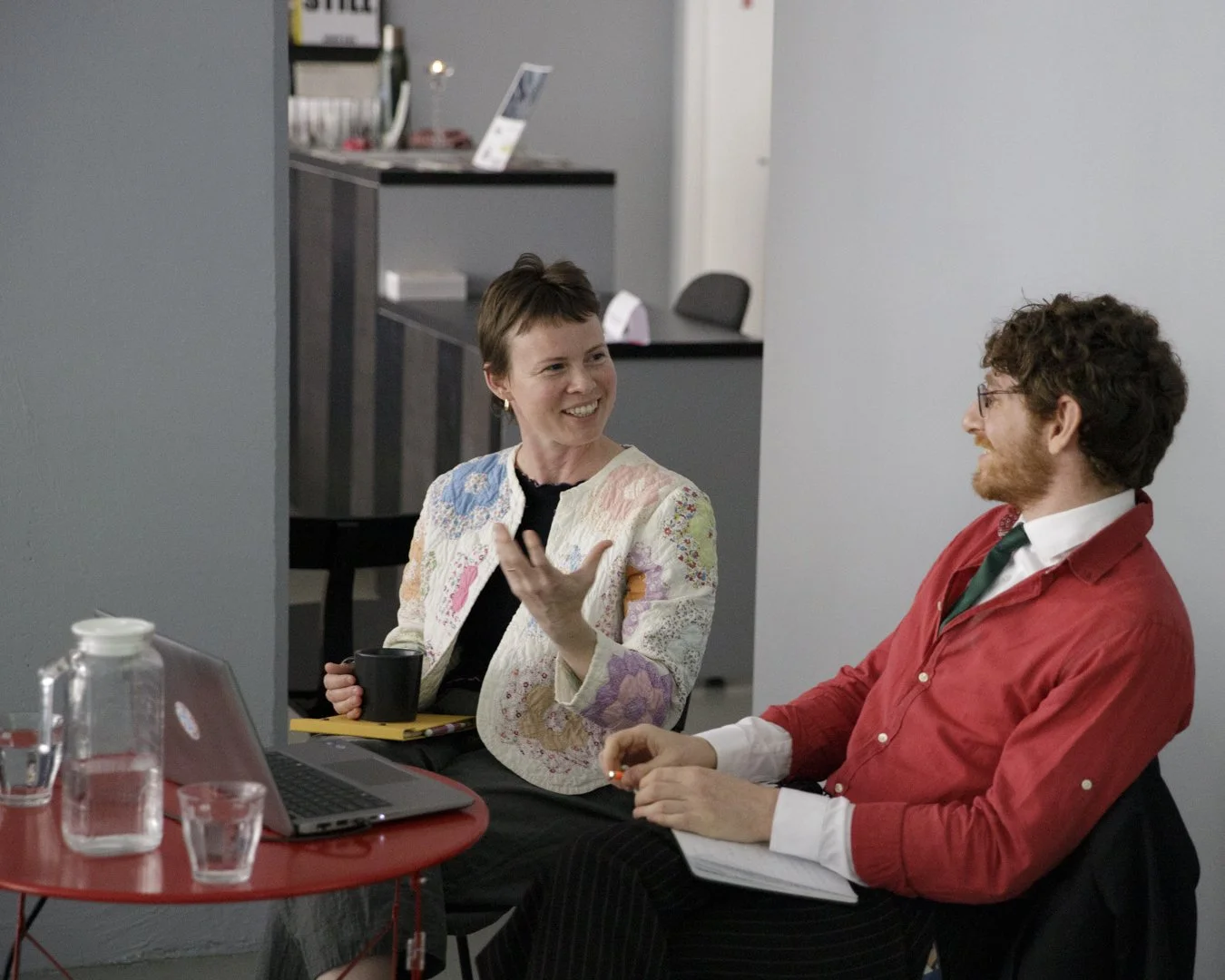
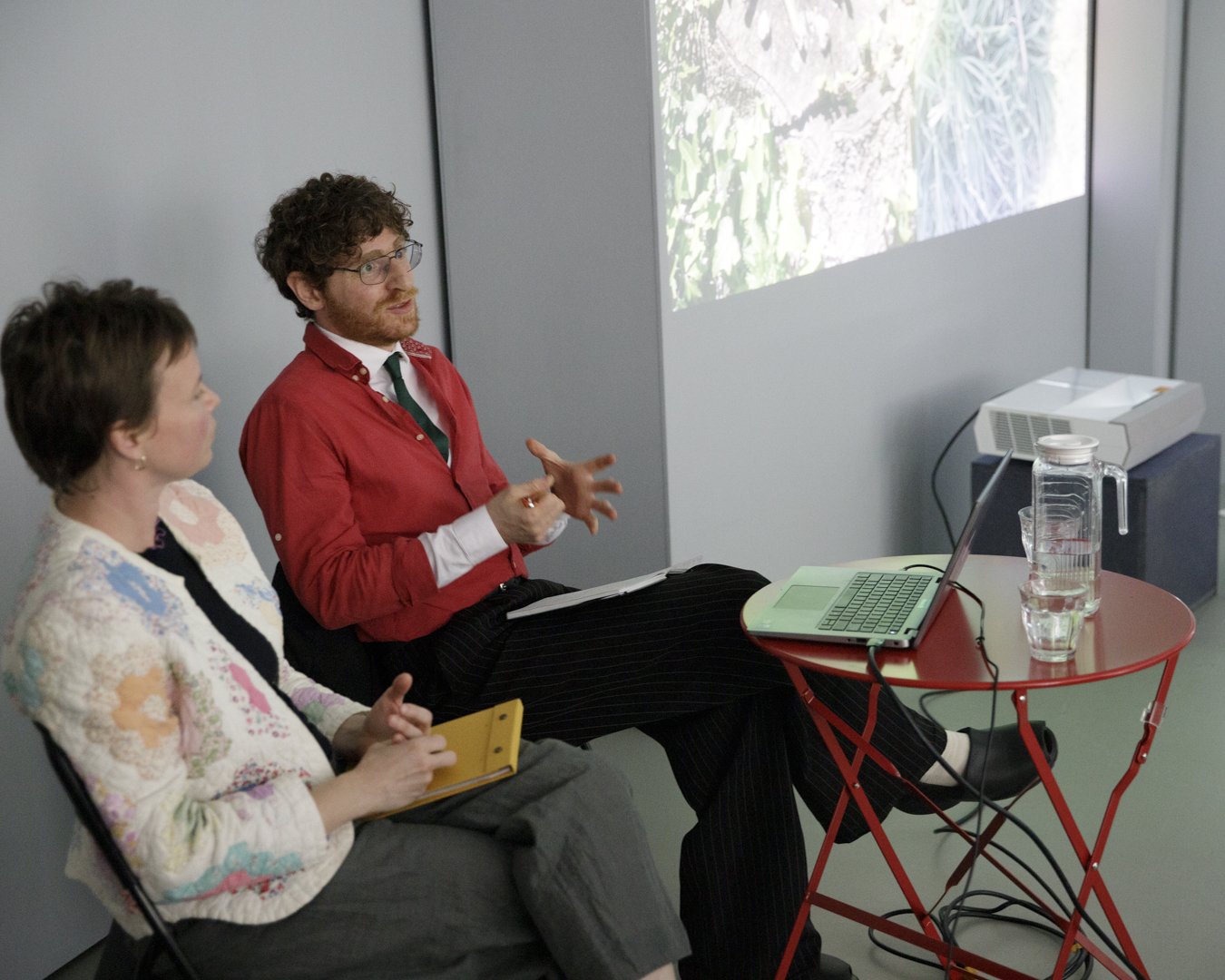
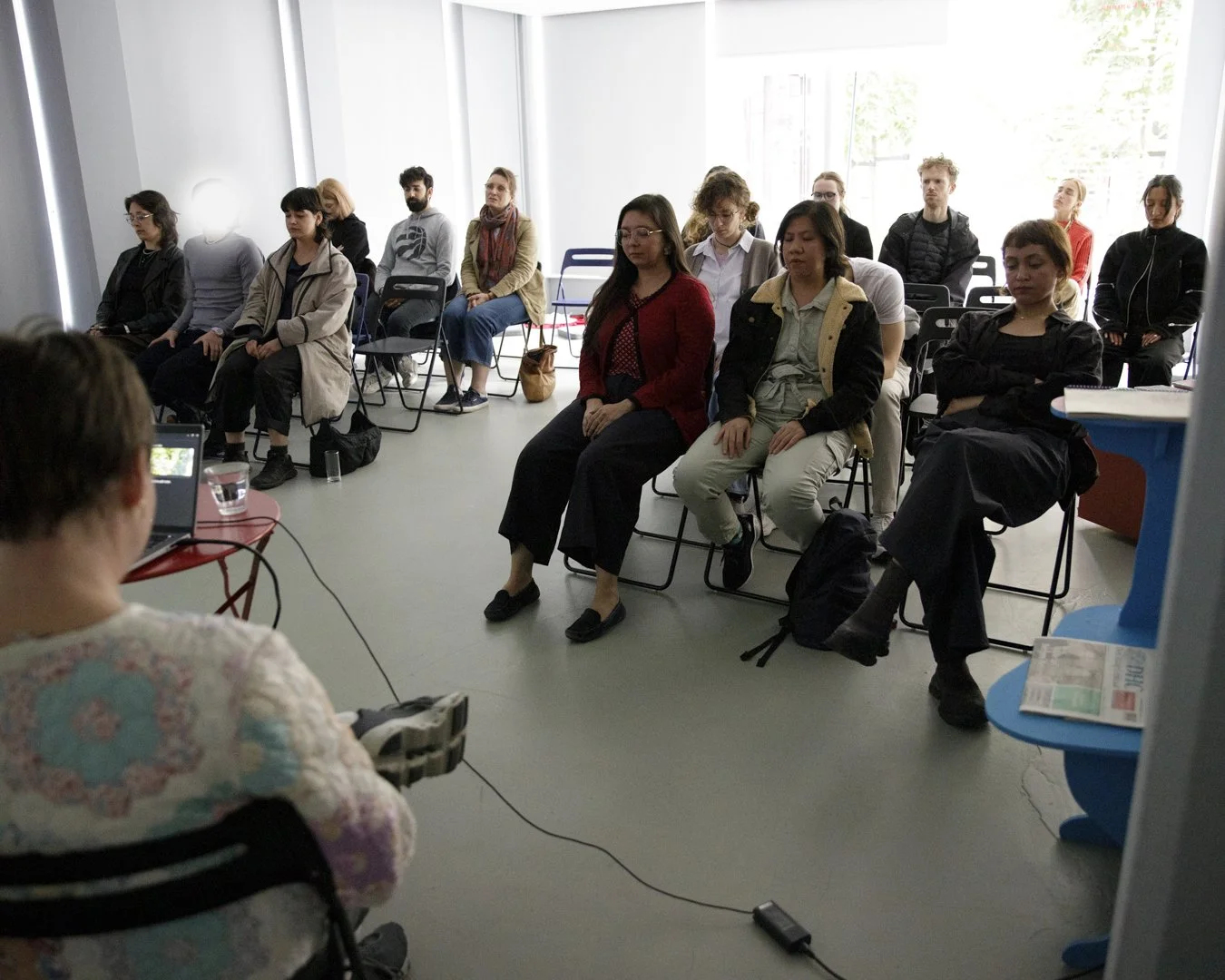
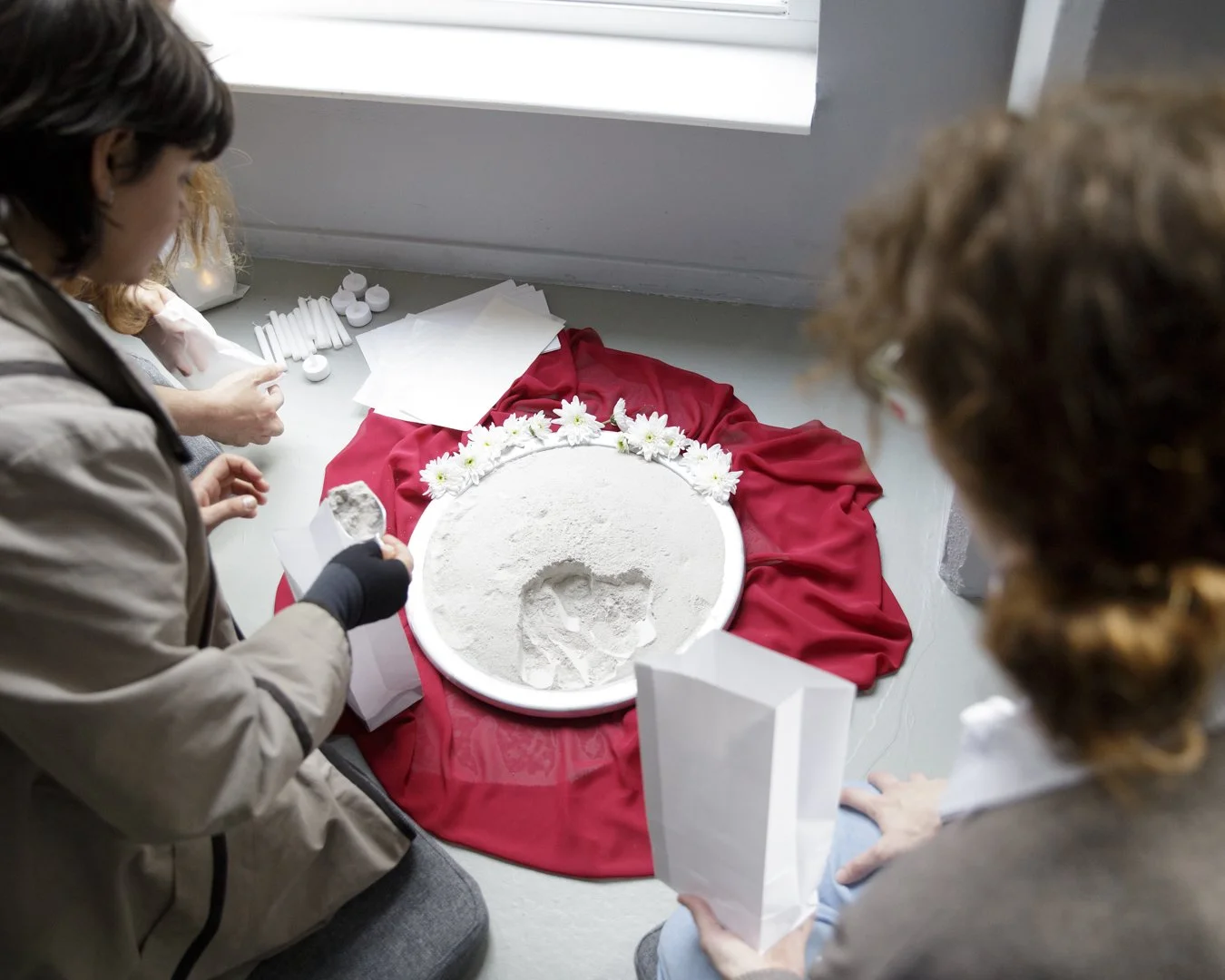
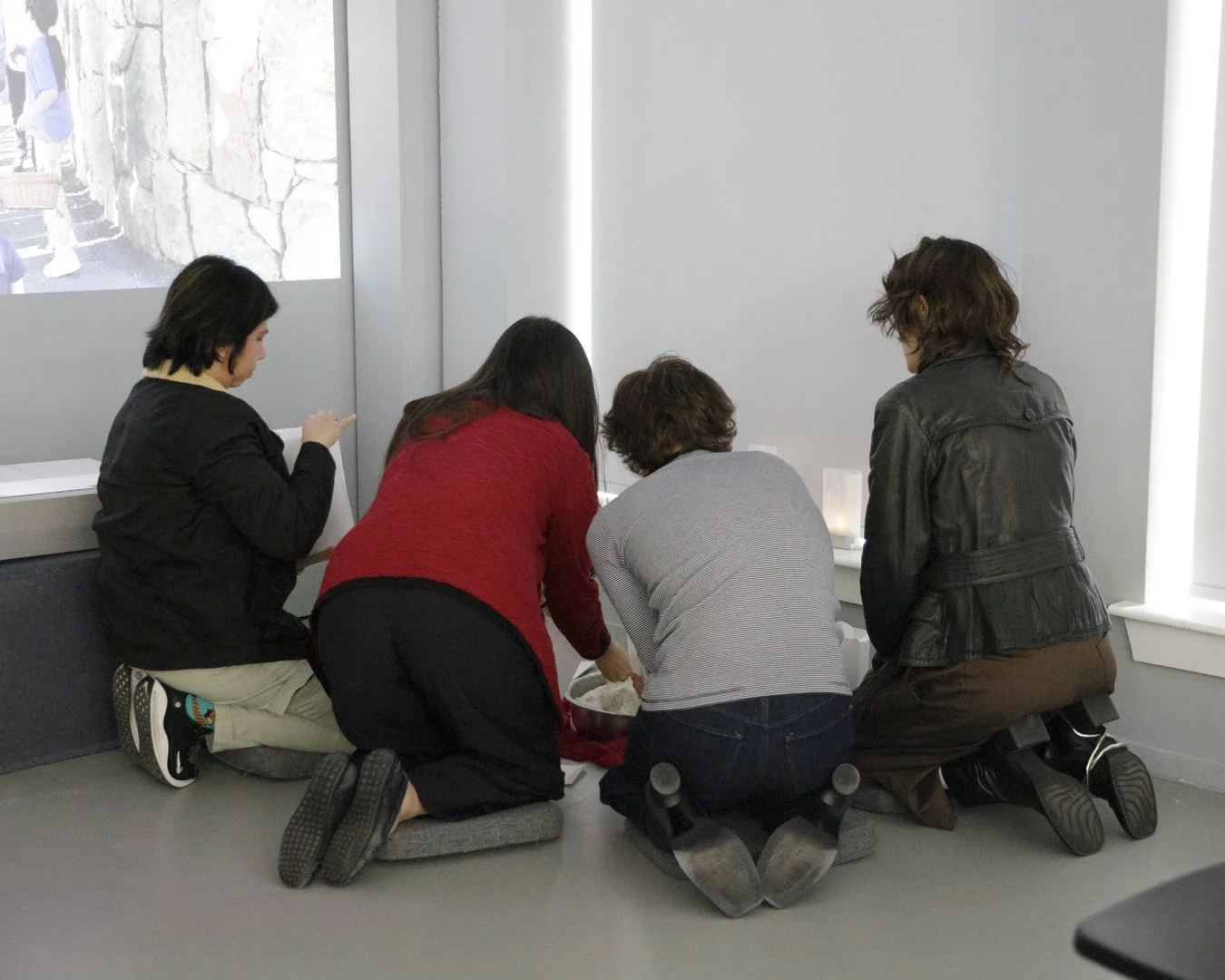
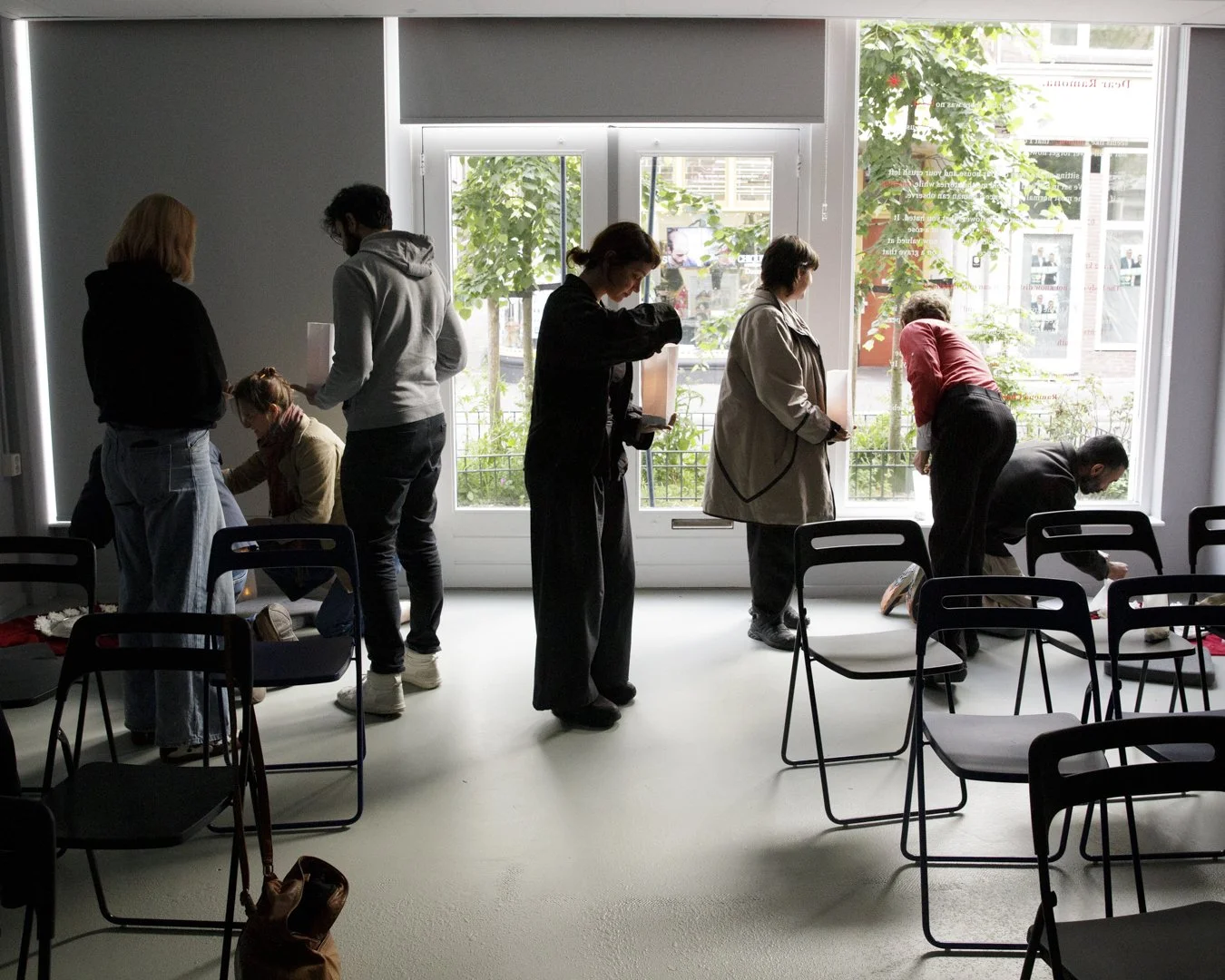
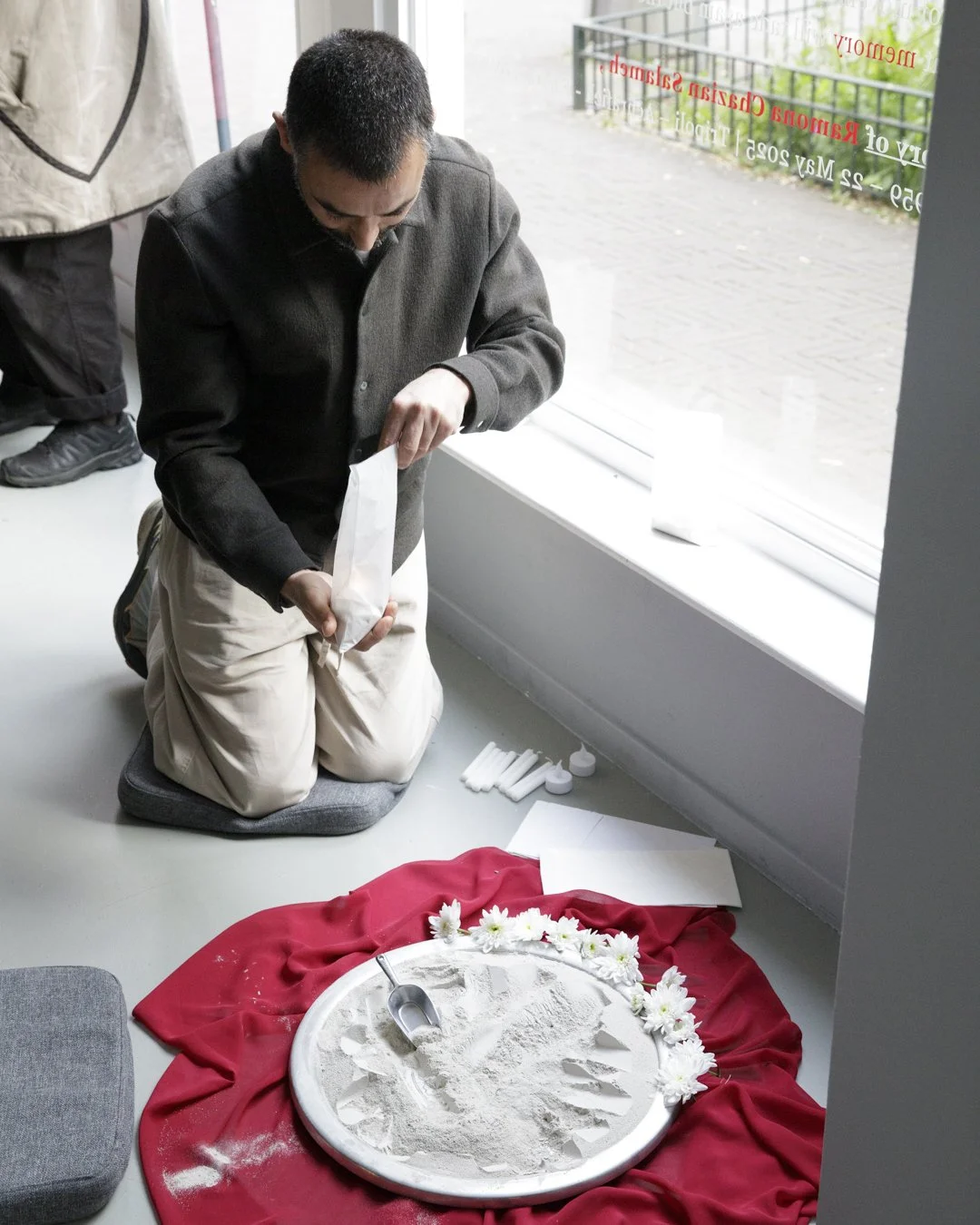
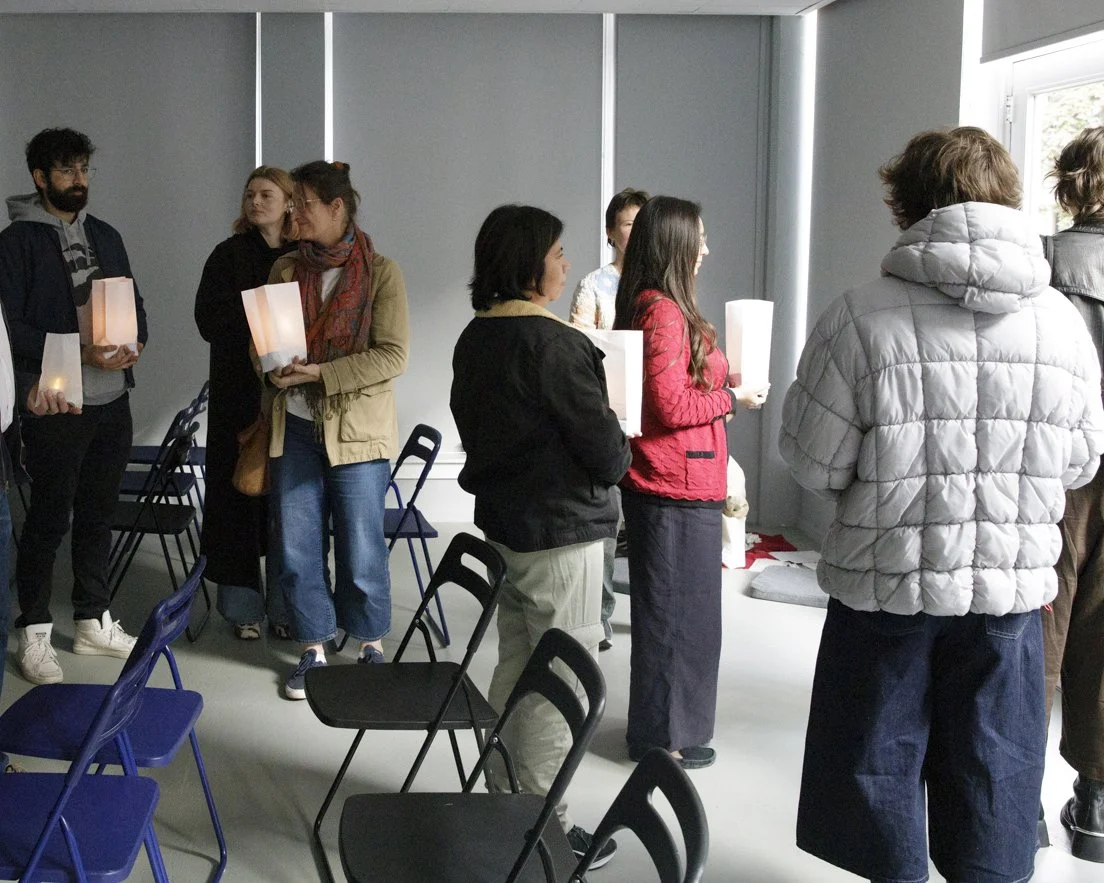
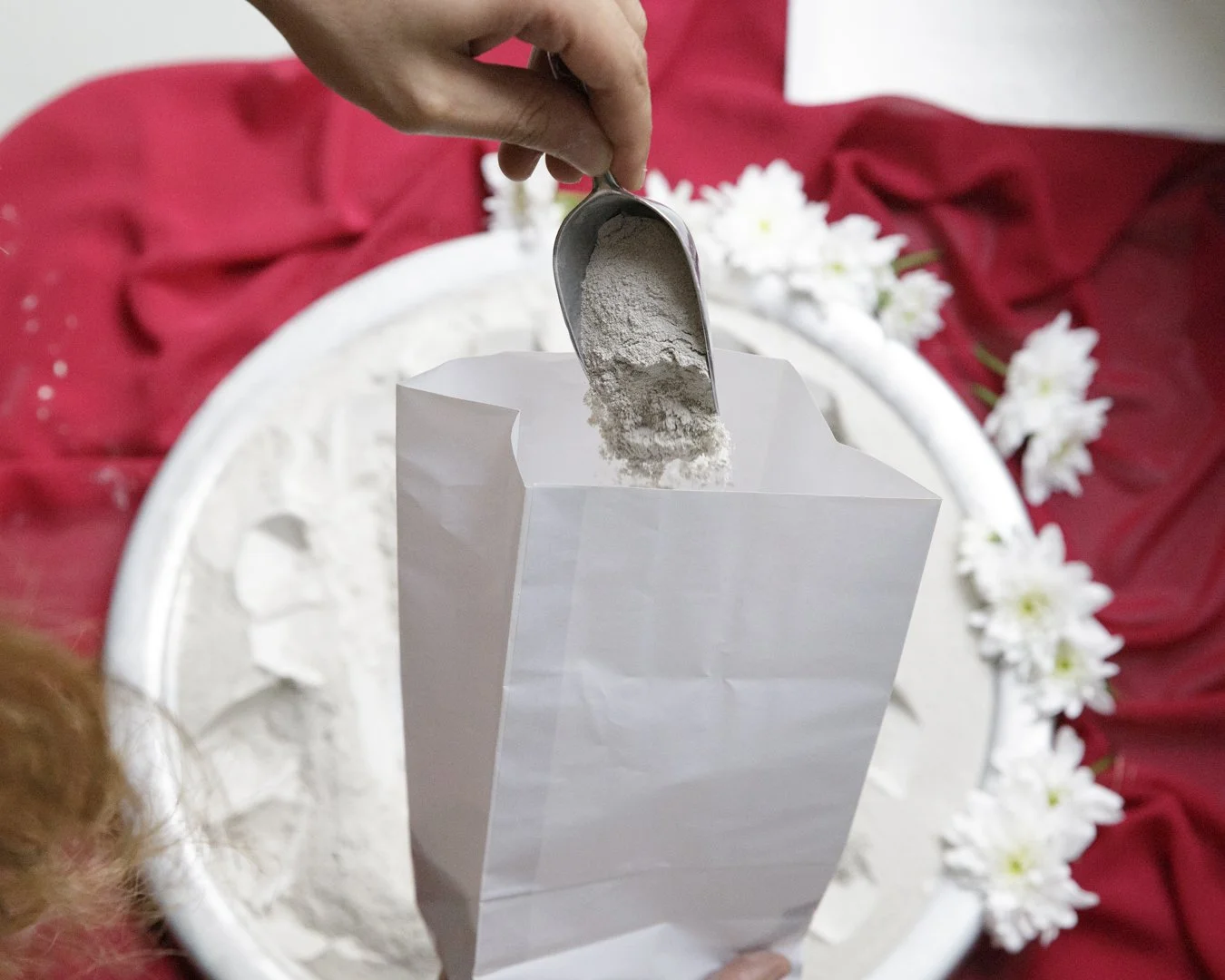
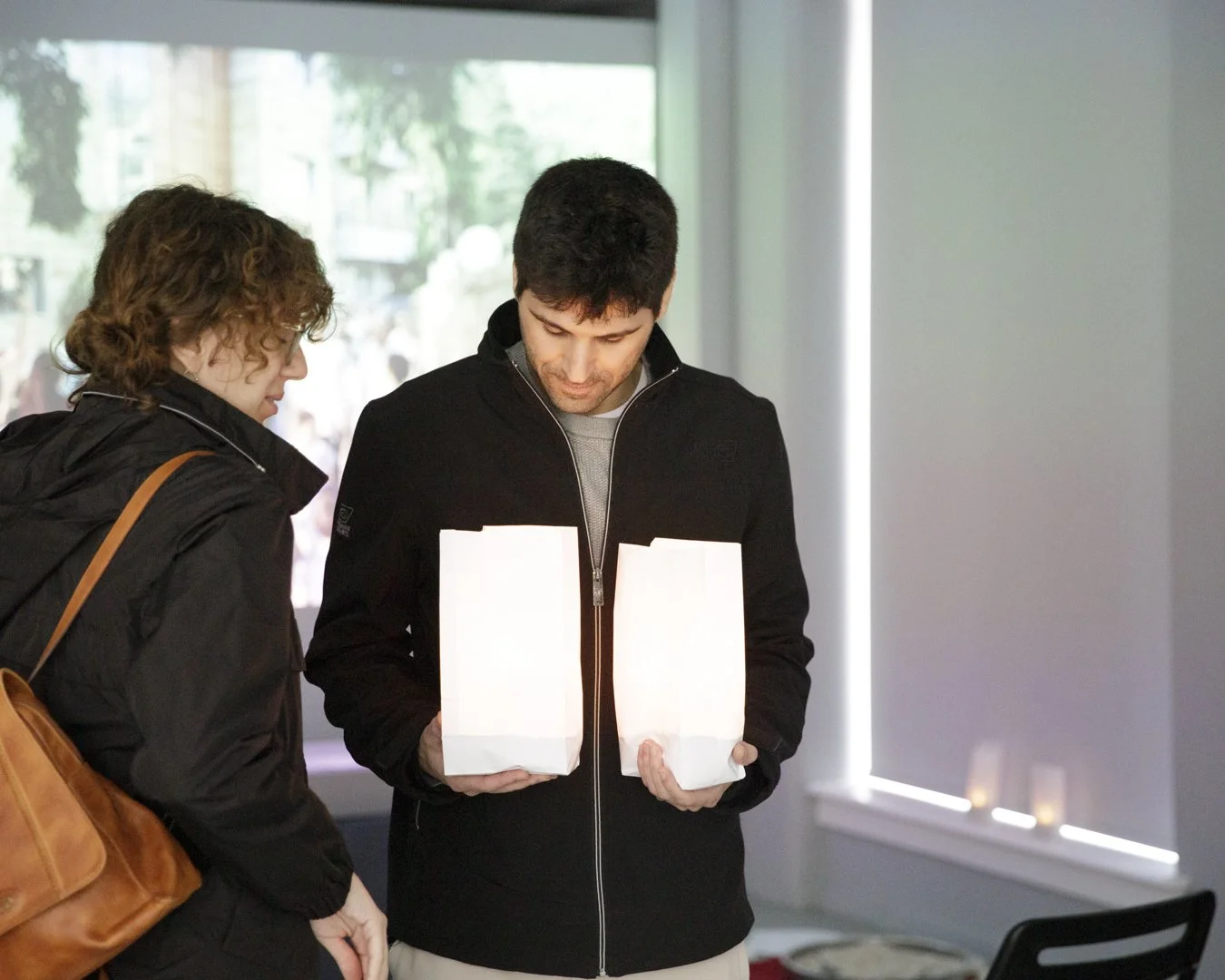
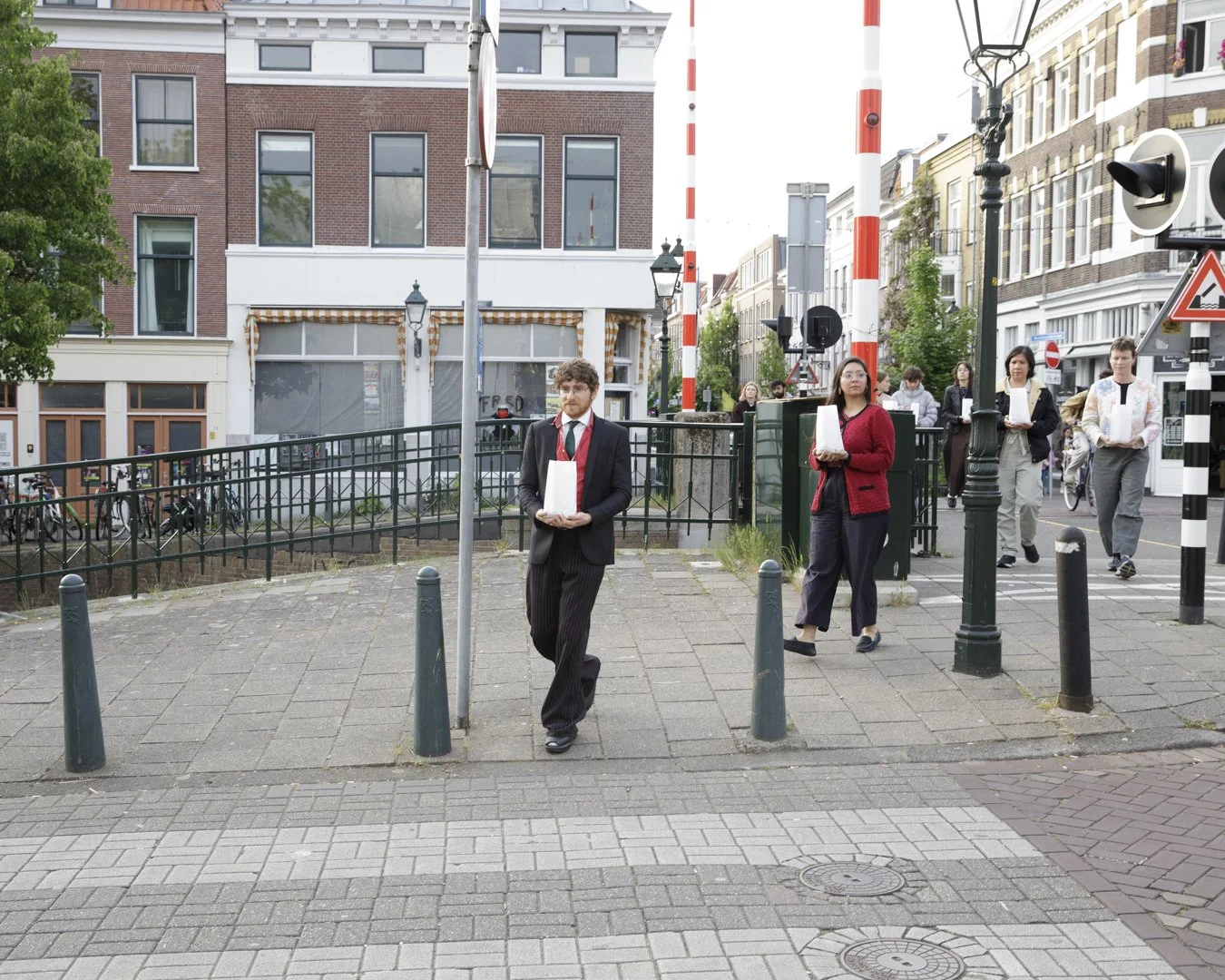
Photo by Fabio Meinardi, courtesy of Page Not Found.